

Best Composite Decking Colors: Gray, Brown, Weathered Wood & Dark Deck Color Ideas
Choosing a composite decking color is one of the biggest design decisions in a deck project. The color affects how the deck looks against the house, how hot the surface feels in direct sun, how easily dirt and pollen show, and how the deck ages visually over time.
Modern composite decking manufacturers now offer dozens of colors that imitate natural wood, driftwood, cedar, tropical hardwood, and dark espresso-stained boards. The challenge is not finding a color. It is choosing the right color for your house, climate, maintenance expectations, and budget.
This guide compares the most popular composite decking color families, explains which colors work best with different house exteriors, and shows where major manufacturer colors fit by style, product tier, and price range.
The safest composite deck colors for most homes are weathered wood, medium brown, and gray-brown blends. They coordinate with many exterior styles, hide dirt better than very light boards, and usually look more natural over time than flat solid colors.
Quick Verdict: What Composite Decking Color Should You Choose?
Weathered Wood
Weathered wood and driftwood tones are the safest all-around choice because they blend gray and brown undertones, pair with many house colors, and hide dirt and fading well.
Gray Decking
Gray composite decking works well with white siding, black trim, coastal homes, modern exteriors, and stone patios.
Medium Brown
Brown composite decking is the best fit for homeowners who want the familiar appearance of stained wood without the maintenance of real lumber.
Dark Brown or Espresso
Dark decking creates strong contrast, but it can get hotter in full sun and may show dust, scratches, or water spots more than mid-tone boards.
Composite Decking Color Families
| Color Family | Typical Style | Best For | Main Trade-Off |
|---|---|---|---|
| Gray | Modern, coastal, clean | White siding, black trim, stone, modern homes | Can feel cool or flat if the board lacks variation |
| Weathered wood | Driftwood, reclaimed, natural | Most house colors, wooded lots, transitional homes | May not create as much contrast as dark colors |
| Medium brown | Traditional stained wood | Brick homes, tan siding, wooded landscapes | Can look basic if the board is too uniform |
| Cedar / warm hardwood | Golden, amber, reddish wood | Outdoor kitchens, brick, stone, traditional homes | Warm undertones can clash with cool gray siding |
| Dark / espresso | Bold, high contrast, modern | Light siding, black railings, contemporary homes | Usually hotter in sun and may show dust |
Best Deck Colors for Different House Colors
The easiest way to narrow your deck color is to compare it against your home’s siding, trim, roof, masonry, and landscape. The deck should usually complement the house rather than match it exactly.
| House Exterior | Deck Colors That Usually Work Best | Why It Works |
|---|---|---|
| White siding | Gray, weathered wood, charcoal, medium brown | Creates clean contrast without overwhelming the home |
| Beige or tan siding | Medium brown, cedar, warm hardwood, weathered brown | Warm deck tones complement earth-tone siding |
| Gray siding | Weathered wood, gray-brown, medium brown, charcoal | Mixed undertones prevent the deck from blending too closely |
| Dark siding | Light gray, driftwood, weathered wood, medium brown | Lighter boards create contrast and keep the space from feeling heavy |
| Brick homes | Medium brown, cedar, warm hardwood, walnut tones | Warm browns complement red, orange, and brown brick variation |
| Stone exteriors | Weathered wood, gray-brown, medium brown, driftwood | Multi-tone boards echo natural stone variation |
| Modern black-and-white homes | Light gray, charcoal, weathered wood, espresso | Supports high-contrast design while keeping the palette controlled |
If you are unsure, start with weathered wood or gray-brown samples. These colors usually coordinate with more siding, trim, stone, roof, and landscape combinations than strongly red, orange, or black deck colors.
Should Deck Boards Match the House or Contrast It?
In most cases, a deck should complement the house rather than match it exactly. If the deck color is too close to the siding color, the deck can disappear visually or make the exterior look flat.
Simple contrast rules:
- Light house: use gray, medium brown, charcoal, or weathered wood for contrast.
- Dark house: use light gray, driftwood, or medium brown to avoid a heavy look.
- Brick house: use warm brown, walnut, cedar, or hardwood tones.
- Gray house: use gray-brown, weathered wood, or medium brown to add warmth.
- Tan house: use brown, cedar, or warm hardwood tones.
The best deck colors usually repeat something already on the property: trim color, roof tone, patio stone, brick undertone, fence color, or landscape material.
Composite Decking Color Comparison Chart
The table below summarizes popular composite decking colors, manufacturer collections, product tiers, and typical material pricing.
Click any color below to jump to detailed photos, product tiers, and pricing information.
| Preview | Color | Brand | Collection | Color Family | Tier | Typical Material Cost |
|---|---|---|---|---|---|---|
 | Foggy Wharf | Trex | Enhance Naturals | Gray | Entry-Level | $5–$7 |
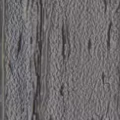 | Island Mist | Trex | Transcend | Gray | Premium | $9–$12 |
 | Coastline | TimberTech | AZEK Vintage | Gray | Premium | $10–$14 |
 | Slate Gray | TimberTech | AZEK Harvest | Gray | Premium | $10–$14 |
 | Earl Grey | Fiberon | Sanctuary | Gray | Mid-Range | $7–$10 |
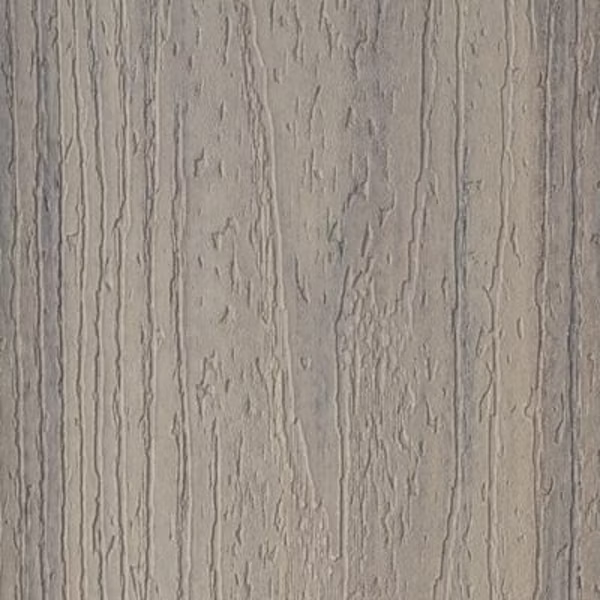 | Rocky Harbor | Trex | Enhance Naturals | Weathered Wood | Entry-Level | $5–$7 |
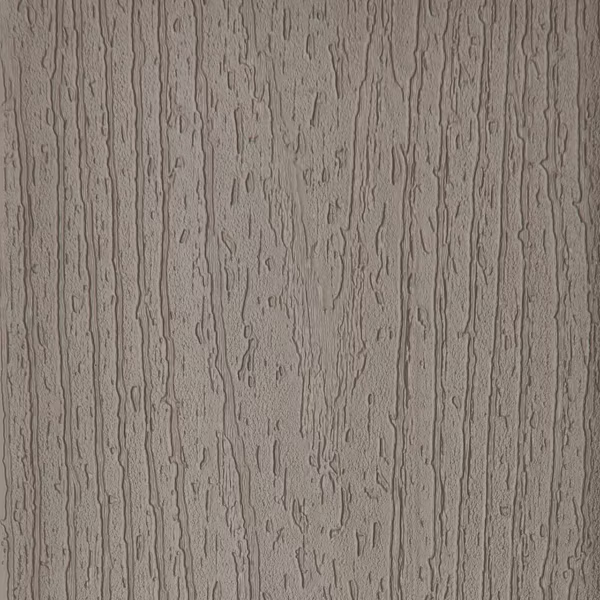 | Tide Pool | Trex | Enhance Basics | Weathered Wood | Entry-Level | $5–$7 |
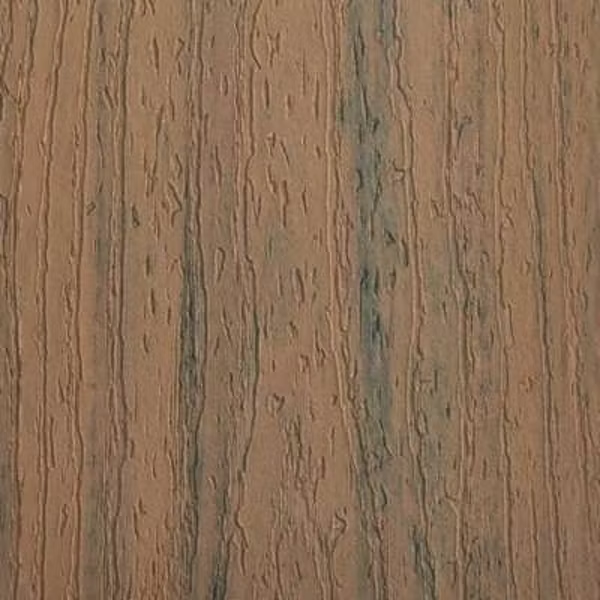 | Toasted Sand | Trex | Enhance Naturals | Weathered Wood | Entry-Level | $5–$7 |
 | Weathered Teak | TimberTech | AZEK Vintage | Weathered Wood | Premium | $10–$14 |
 | Ashwood | TimberTech | AZEK Vintage | Weathered Wood | Premium | $10–$14 |
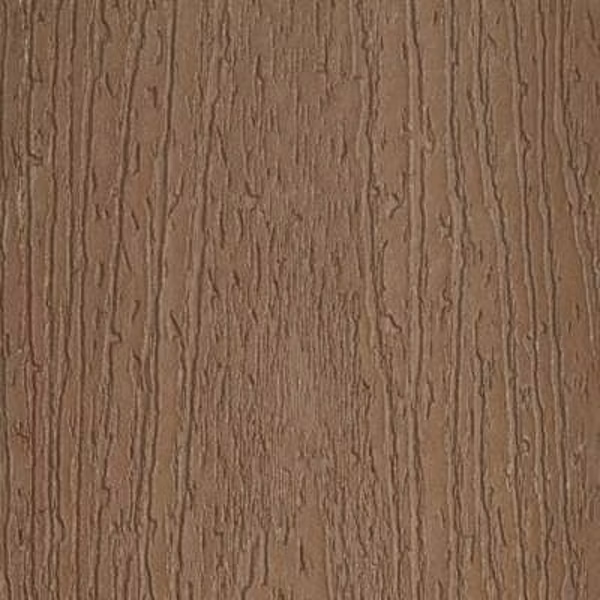 | Saddle | Trex | Enhance Basics | Brown | Entry-Level | $5–$7 |
 | English Walnut | TimberTech | AZEK Vintage | Brown | Premium | $10–$14 |
 | Pecan | TimberTech | Legacy | Brown | Premium | $9–$12 |
 | Dark Cocoa | TimberTech | Prime+ | Brown | Entry-Level | $5–$7 |
 | Bungalow | Fiberon | Good Life Escapes | Brown | Entry-Level | $5–$7 |
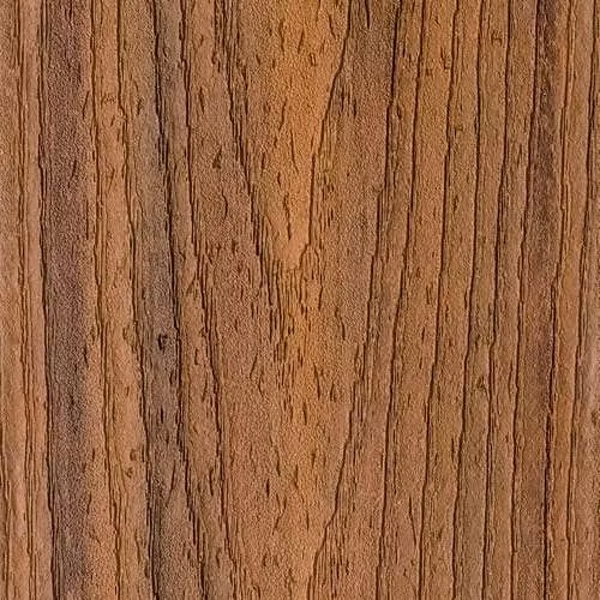 | Havana Gold | Trex | Transcend | Warm Hardwood | Premium | $9–$12 |
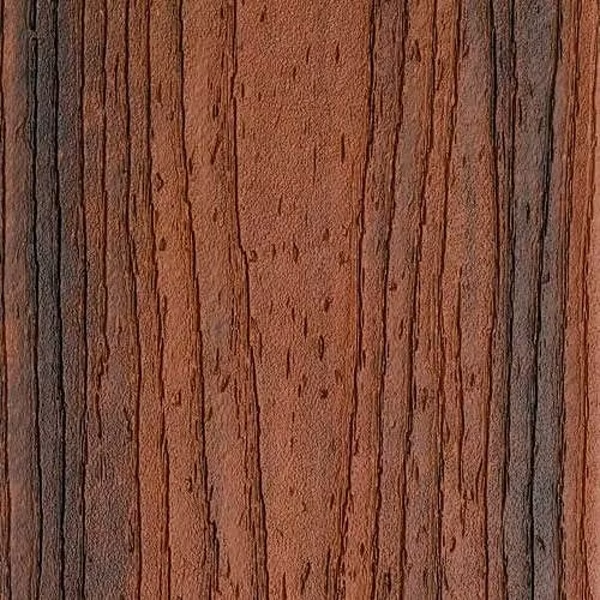 | Spiced Rum | Trex | Transcend | Warm Hardwood | Premium | $9–$12 |
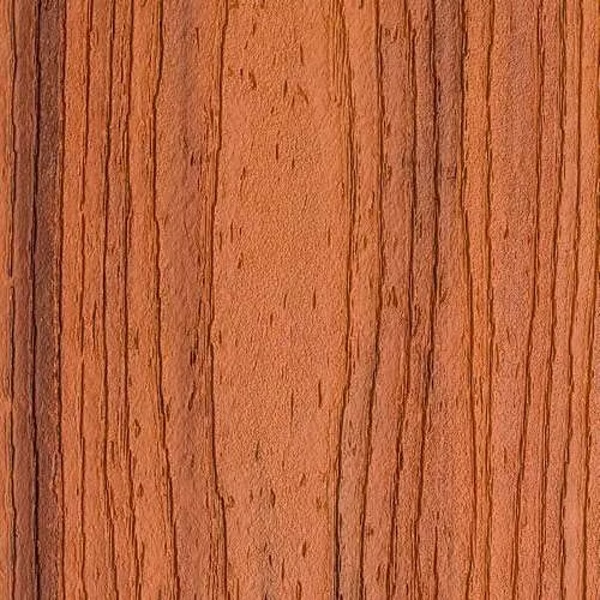 | Tiki Torch | Trex | Transcend | Warm Hardwood | Premium | $9-$12 |
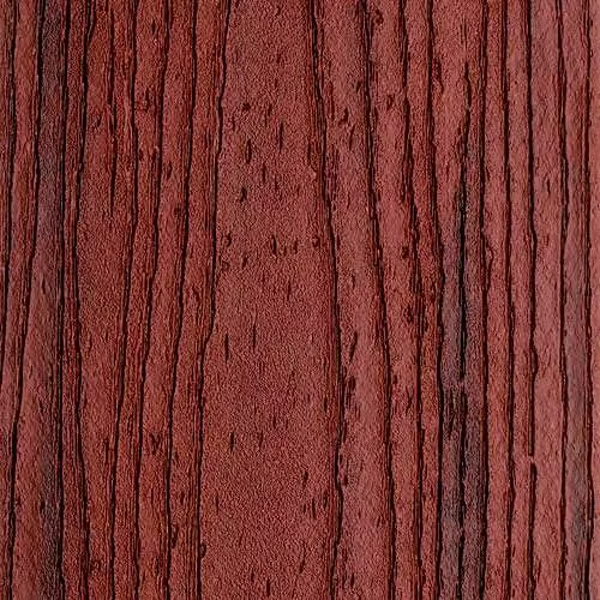 | Lava Rock | Trex | Transcend | Warm Hardwood | Premium | $9-$12 |
 | Antique Leather | TimberTech | Reserve | Warm Hardwood | Mid-Premium | $8–$11 |
 | Espresso | Fiberon | Paramount PVC | Dark / Espresso | Premium | $10-$14 |
 | Ironwood | Deckorators | Vista | Dark / Espresso | Mid-Range | $7-$10 |
 | Kona | TimberTech | AZEK Harvest | Dark / Espresso | Premium | $10–$14 |
 | Mocha | TimberTech | Legacy | Dark / Espresso | Premium | $9–$12 |
 | Khaya | Deckorators | Voyage | Dark / Espresso | Premium | $10–$14 |
Why Some Composite Deck Colors Cost More Than Others
Deck color and product tier are closely connected. The most realistic colors are often found in higher-end product lines because premium boards usually include deeper embossing, stronger cap layers, more complex color blending, and longer fade-and-stain warranty coverage.
| Product Tier | Typical Material Price | Common Color Features |
|---|---|---|
| Entry-level composite | $5–$7 per sq. ft. | Simpler colors, basic wood grain, fewer premium tones |
| Mid-range composite | $7–$10 per sq. ft. | Better grain, more color variation, stronger visual depth |
| Premium composite | $9–$12+ per sq. ft. | Multi-tone colors, deeper embossing, richer wood realism |
| PVC / specialty decking | $10–$14+ per sq. ft. | Premium color lines, moisture resistance, advanced board construction |
For cost context, see: Composite Deck Cost Per Square Foot and Composite Decking Cost.
Gray Composite Decking
Gray composite decking has become one of the most popular color families in modern outdoor design. These tones are often chosen for contemporary homes, coastal architecture, and properties with white or light-colored siding.
Gray boards tend to create a clean, modern appearance while also hiding dirt and pollen better than very light colors.
Because many gray boards include subtle brown undertones and multi-tone grain patterns, they often resemble naturally weathered wood rather than painted surfaces.
Homeowners frequently choose gray decking when they want a modern aesthetic that still blends naturally with stone patios, landscaping, and outdoor furniture.
Foggy Wharf – Trex
Collection: Enhance Naturals
Material: Composite
Tier: Entry-Level Composite
Typical Material Cost: $5–$7 per sq ft
Foggy Wharf is a light driftwood gray designed to resemble naturally weathered coastal lumber. Subtle brown undertones within the gray surface create a soft multi-tonal appearance that looks more like aged wood than a solid painted color.
The color works particularly well with modern homes, white siding, and coastal architectural styles where lighter deck tones help brighten outdoor spaces.
Because Foggy Wharf is part of Trex’s Enhance Naturals entry-level composite line, it provides a modern gray deck appearance at a more affordable price point. Homeowners often choose this color when they want a weathered gray look without moving into premium decking tiers.
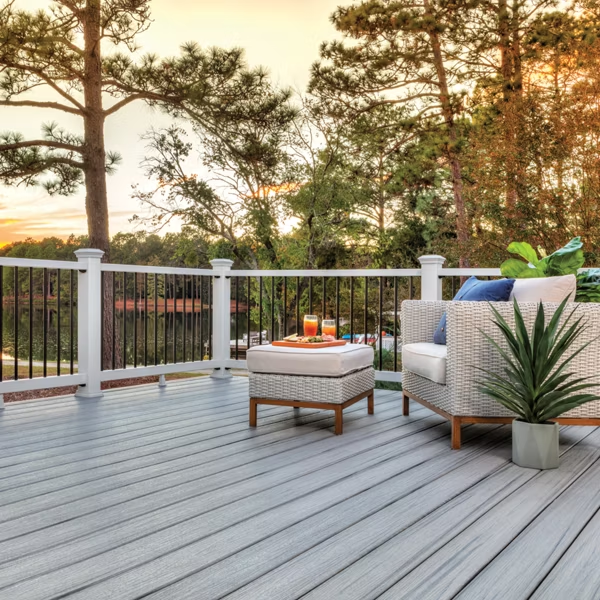
Island Mist – Trex
Collection: Transcend
Material: Capped Composite
Tier: Premium Composite
Typical Material Cost: $9–$12 per sq ft
Island Mist is a cool-toned gray decking color designed to resemble lightly weathered hardwood. Subtle brown streaking in the boards creates realistic wood-grain variation rather than a flat gray surface.
The neutral gray tone pairs well with contemporary homes, white siding, and black railing systems, making it one of the most versatile gray decking options.
As part of Trex’s premium Transcend collection, Island Mist features deeper grain embossing and stronger color variation than entry-level composite decking. Homeowners often choose this color when they want a high-end gray deck with natural wood character.
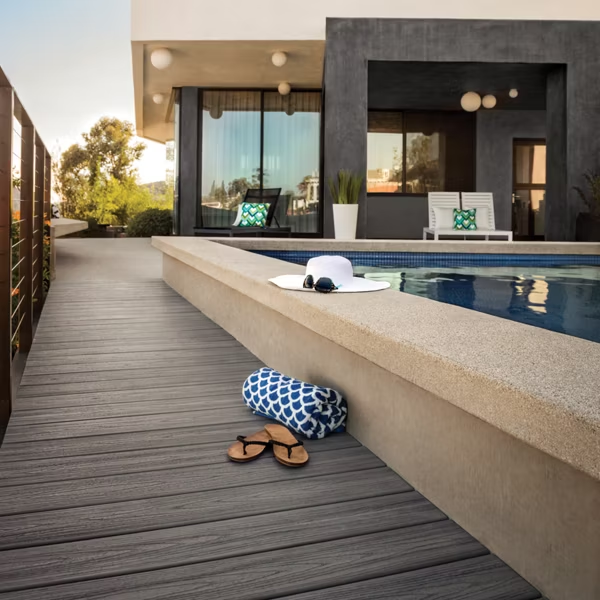
Coastline – TimberTech
Collection: AZEK Vintage Collection
Material: Advanced PVC
Tier: Premium
Typical Material Cost: $10–$14 per sq ft
Coastline is a soft light-gray decking color inspired by sun-bleached coastal hardwood. The boards feature subtle tonal variation and refined grain patterns that replicate naturally aged wood.
This color works particularly well with coastal homes, contemporary architecture, and light exterior finishes such as white siding or pale stone.
Coastline is part of TimberTech’s AZEK Vintage collection, a premium PVC decking line designed for realistic wood textures and long-term durability. Homeowners typically choose Coastline when they want a premium gray deck color that complements modern or coastal design styles.

Slate Gray – TimberTech
Collection: AZEK Harvest
Material: Advanced PVC
Tier: Premium
Typical Cost: $10–$14 / per sq ft
Slate Gray is a clean, neutral gray decking color with a consistent tone and subtle grain texture. Compared with highly variegated boards, it offers a sleek and modern appearance.
The color pairs well with black aluminum railing systems, minimalist deck designs, and contemporary homes.
Part of TimberTech’s AZEK Harvest collection, Slate Gray is manufactured from advanced PVC for strong moisture resistance and durability. It is often selected by homeowners building modern outdoor spaces where a simple, neutral deck color supports the architectural design.

Earl Grey – Fiberon
Collection: Sanctuary
Material: Capped Composite
Tier: Mid-Range Composite
Typical Material Cost: $7–$10 per sq ft
Earl Grey is a balanced medium-gray decking color with subtle brown undertones designed to mimic naturally weathered wood. The gentle color variation gives the boards a more natural appearance than solid gray decking.
The versatile tone works well with both traditional and contemporary homes, blending easily with neutral siding, stone patios, and wooded landscapes.
Earl Grey is part of Fiberon’s Sanctuary collection, a mid-range composite decking line offering improved texture and durability compared with entry-level boards. Homeowners typically choose this color when they want a versatile gray deck that balances natural appearance with moderate cost.

Weathered Wood and Driftwood Colors
Weathered wood decking colors combine gray and brown tones to mimic naturally aged lumber exposed to sun and rain.
These colors have become increasingly popular because they replicate the look of reclaimed wood and coastal driftwood without the maintenance requirements of natural wood decking.
Weathered tones tend to hide dirt, pollen, and minor fading better than solid-color boards, which makes them a practical choice for decks surrounded by trees or landscaping.
Homeowners often select weathered wood colors when they want a natural, relaxed outdoor aesthetic that blends with the surrounding landscape.
Rocky Harbor – Trex
Collection: Enhance Naturals
Material: Capped Composite
Tier: Entry-Level Composite
Typical Material Cost: $5–$7 per sq ft
Rocky Harbor is a weathered gray-brown decking color designed to resemble naturally aged driftwood. The boards combine soft gray tones with warm brown undertones, creating a balanced appearance that mimics reclaimed lumber exposed to sun and rain.
This color works particularly well with rustic homes, wooded landscapes, and outdoor spaces designed to blend naturally with surrounding trees and stone features.
Part of Trex’s Enhance Naturals collection, Rocky Harbor provides a textured wood-inspired surface at an entry-level composite price point. Homeowners often choose this color when they want a natural driftwood look without the maintenance requirements of real reclaimed wood decking.
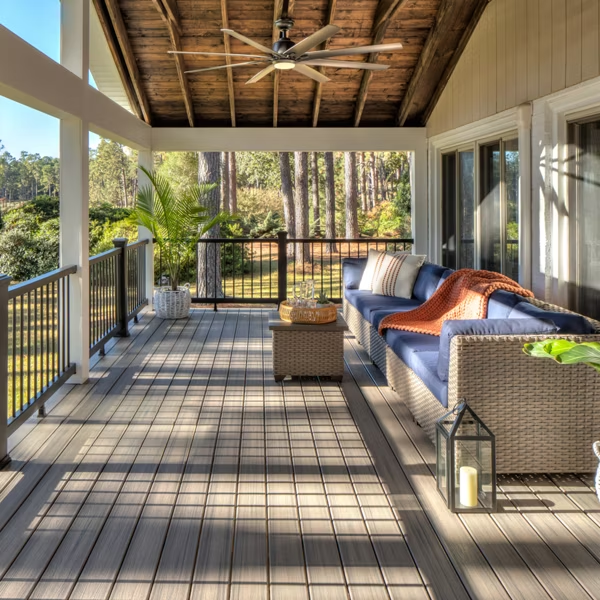
Tide Pool – Trex
Collection: Enhance Basics
Material: Capped Composite
Tier: Entry-Level Composite
Typical Material Cost: $5–$7 per sq ft
Tide Pool is a soft weathered gray decking color inspired by coastal driftwood exposed to sun and salt air. Subtle brown undertones within the gray surface create a natural wood appearance rather than a flat painted finish.
The lighter tone pairs well with coastal homes, beach-style architecture, and outdoor spaces with light siding or natural stone patios.
Tide Pool is part of Trex’s Enhance Basics collection, an entry-level composite decking line designed to provide realistic wood texture at a more accessible price. Homeowners typically choose Tide Pool when they want a light driftwood deck color that complements coastal or modern outdoor designs.
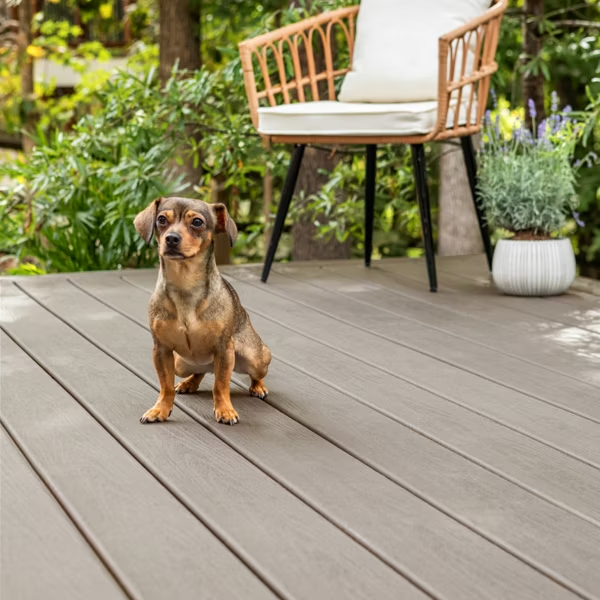
Toasted Sand — Trex
Collection: Enhance Naturals
Material: Capped Composite
Tier: Entry-Level Composite
Typical Material Cost: $5–$7 per sq ft
Toasted Sand is a warm weathered wood color designed to resemble sun-faded lumber. The boards blend soft brown and gray tones that create a natural appearance similar to aged deck boards exposed to years of sunlight.
This color works particularly well in outdoor spaces surrounded by trees, natural landscapes, or rustic architectural styles.
As part of Trex’s Enhance Naturals collection, Toasted Sand offers subtle wood-grain texture and weathered character at an entry-level composite price point. Homeowners often choose this color when they want a natural wood appearance that blends easily with outdoor surroundings.
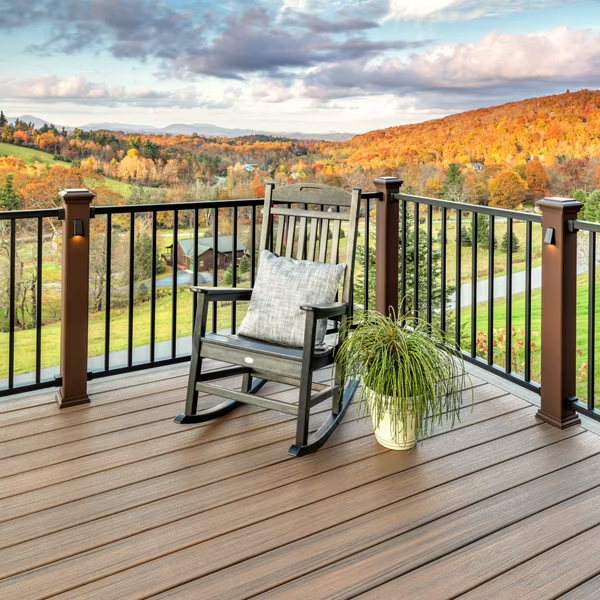
Weathered Teak – TimberTech
Collection: AZEK Vintage
Material: Advanced PVC
Tier: Premium
Typical Material Cost: $10–$14 per sq ft
Weathered Teak is a gray-brown decking color designed to replicate aged tropical hardwood. The boards feature pronounced wood-grain patterns with subtle color variation that resembles reclaimed teak or weathered hardwood planks.
This color works particularly well with traditional homes, natural landscapes, and outdoor spaces designed around stone patios or wood accents.
Part of TimberTech’s AZEK Vintage collection, Weathered Teak is manufactured from advanced PVC and designed for premium outdoor living spaces. Homeowners often select this color when they want a high-end driftwood aesthetic with the durability of PVC decking.

Ashwood – TimberTech
Collection: AZEK Vintage
Material: Advanced PVC
Tier: Premium
Typical Material Cost: $10–$14 per sq ft
Ashwood is a weathered gray-brown decking color inspired by reclaimed hardwood boards. The surface combines lighter gray tones with darker wood-grain variation to create a natural aged appearance.
The neutral driftwood tone works well with modern homes, natural stone patios, and outdoor spaces that combine contemporary and rustic design elements.
Ashwood is also part of TimberTech’s AZEK Vintage collection, a premium PVC decking line known for realistic wood textures and long-term durability. Homeowners often choose Ashwood when they want a premium driftwood-style deck color with subtle natural variation.

Brown Composite Decking
Brown decking colors closely resemble the appearance of traditional stained wood decks. These tones are especially common on homes with brick exteriors, wooded landscapes, or classic architectural styles.
Compared with gray decking, brown boards create a warmer and more traditional outdoor appearance.
Medium brown colors also tend to hide dust, pollen, and minor debris better than very light boards.
Homeowners often choose brown decking when they want a classic wood deck aesthetic that blends naturally with trees, stone, and brick features.
English Walnut – TimberTech
Collection: AZEK Vintage Collection
Material: Advanced PVC
Tier: Premium
Typical Material Cost: $10–$14 per sq ft
English Walnut is a deep neutral-brown decking color designed to resemble richly stained hardwood. The boards feature subtle wood-grain texture and soft tonal variation that create a natural wood appearance without strong red or gray undertones.
This color works particularly well with traditional homes, brick exteriors, and outdoor spaces that use natural stone or darker trim.
Part of TimberTech’s AZEK Vintage collection, English Walnut is manufactured from advanced PVC and designed for premium outdoor living spaces. Homeowners often choose this color when they want a classic dark wood deck appearance with the durability of premium PVC decking.

Saddle – Trex
Collection: Enhance Basics
Material: Capped Composite
Tier: Entry-Level Composite
Typical Material Cost: $5–$7 per sq ft
Saddle is a classic medium-brown decking color designed to resemble traditional stained wood decks. The warm tone and subtle grain texture create a familiar appearance that closely resembles pressure-treated lumber finished with a natural wood stain.
This color works well with brick homes, wooded landscapes, and rustic outdoor designs where a traditional wood deck aesthetic fits the surrounding architecture.
Saddle is part of Trex’s Enhance Basics collection, an entry-level composite decking line designed for affordability and simple wood-inspired texture. Homeowners often choose this color when they want a traditional brown deck appearance at a lower composite decking price point.
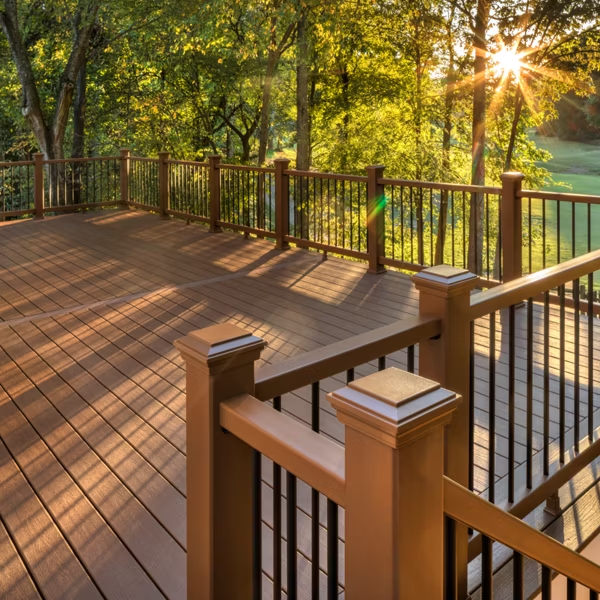
Pecan – TimberTech
Collection: Legacy Collection
Material: Capped Composite
Tier: Premium Composite
Typical Material Cost: $9–$12 per sq ft
Pecan is a warm medium-brown decking color designed to resemble naturally stained hardwood. The boards include subtle multi-tonal grain patterns that give the surface a more realistic wood appearance compared with solid-color composite decking.
The balanced brown tone works well with brick homes, natural landscapes, and outdoor spaces designed to blend with surrounding trees and wood features.
Pecan is part of TimberTech’s Legacy collection, a premium composite decking line known for deeper grain embossing and natural color variation. Homeowners often choose this color when they want a premium brown composite deck that resembles traditional hardwood decking.

Dark Cocoa – TimberTech
Collection: Prime+ Collection
Material: Capped Composite
Tier: Entry-Level Composite
Typical Material Cost: $5–$7 per sq ft
Dark Cocoa is a rich chocolate-brown decking color designed to resemble deeply stained hardwood boards. The darker tone creates a classic wood appearance while helping hide dirt, pollen, and minor surface debris better than lighter colors.
This color works particularly well with traditional homes, rustic architecture, and outdoor living spaces surrounded by trees.
Dark Cocoa is part of TimberTech’s Prime+ collection, an entry-level composite decking line designed to provide realistic wood tones at a more accessible price point. Homeowners often choose this color when they want a dark traditional wood appearance without moving into premium decking lines.

Bungalow – Fiberon
Collection: Good Life Escapes
Material: Capped Composite
Tier: Entry-Level Composite
Typical Material Cost: $5–$7 per sq ft
Bungalow is a warm cedar-inspired brown decking color designed to resemble naturally weathered wood. The subtle grain texture and balanced brown tone create a natural appearance that blends easily with outdoor landscapes.
This color works particularly well with cabins, wooded properties, and outdoor spaces designed to complement surrounding trees and natural materials.
Bungalow is part of Fiberon’s Good Life Escapes collection, an entry-level composite decking line designed to provide wood-inspired aesthetics at an affordable price. Homeowners often choose this color when they want a natural brown deck that blends seamlessly with wooded outdoor environments.

Cedar and Warm Hardwood Decking
Warm hardwood tones replicate the appearance of exotic wood species such as teak, mahogany, and cedar.
These colors often include amber, reddish, or golden undertones that create a rich wood appearance similar to tropical hardwood decking.
Warm wood colors are commonly selected for traditional homes, outdoor kitchens, and patio designs that incorporate natural stone, brick, or wood accents.
Homeowners typically choose these tones when they want the visual warmth of hardwood decking without the maintenance requirements of real wood.
Havana Gold – Trex
Collection: Transcend
Material: Capped Composite
Tier: Premium Composite
Typical Material Cost: $9–$12 per sq ft
Havana Gold is a golden-brown decking color designed to resemble tropical hardwood species such as teak. The boards feature subtle color variation and natural wood-grain texture that create a warm, sunlit appearance rather than a uniform brown surface.
This color works particularly well with traditional homes, brick exteriors, and outdoor spaces designed around natural stone patios or wood accents.
Part of Trex’s premium Transcend collection, Havana Gold offers deeper grain embossing and stronger color variation than entry-level composite boards. Homeowners often choose this color when they want a tropical hardwood look without the maintenance requirements of real wood decking.
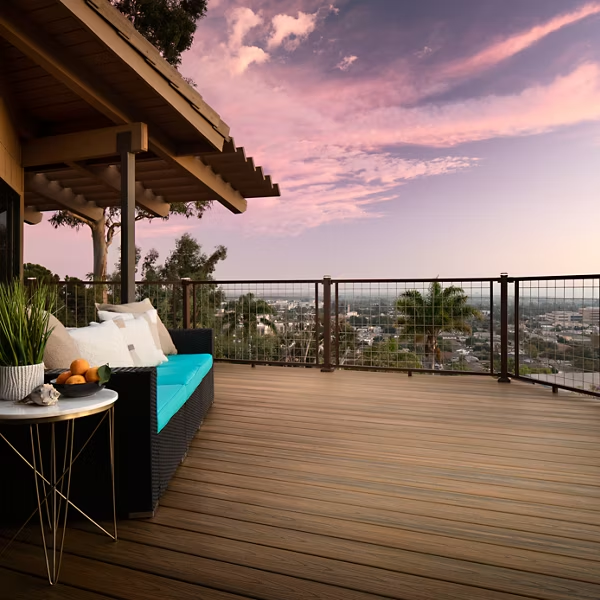
Spiced Rum – Trex
Collection: Transcend
Material: Capped Composite
Tier: Premium Composite
Typical Material Cost: $9–$12 per sq ft
Spiced Rum is a rich reddish-brown decking color inspired by exotic hardwood species such as mahogany. The boards feature darker grain streaks that create noticeable color variation and a realistic wood appearance.
The warm tone pairs well with brick homes, stone patios, and traditional outdoor living spaces where deeper wood colors complement the surrounding architecture.
Spiced Rum is part of Trex’s Transcend collection, a premium composite decking line known for pronounced grain texture and multi-tonal color variation. Homeowners often choose this color when they want a warm hardwood deck aesthetic with strong natural wood character.
Tiki Torch – Trex
Collection: Transcend
Material: Capped Composite
Tier: Premium Composite
Typical Material Cost: $9–$12 per sq ft
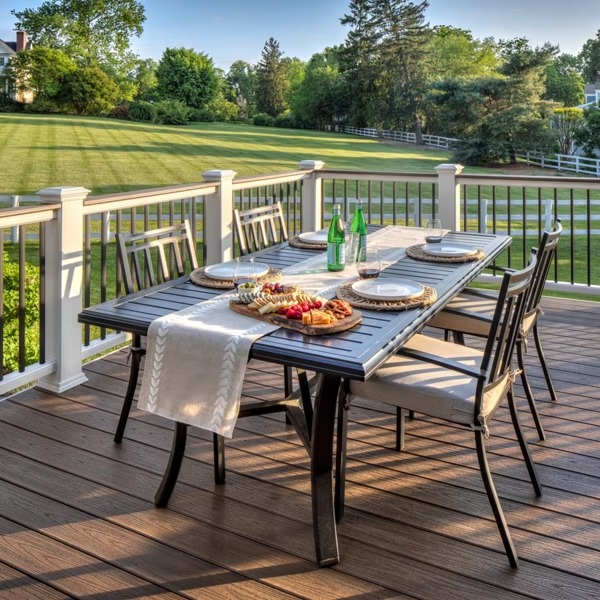
Tiki Torch is a warm amber-brown decking color designed to resemble tropical hardwood decking. The boards include subtle tonal variation and natural grain patterns that help the surface resemble stained wood rather than solid-colored composite.
This color works particularly well with traditional homes, outdoor kitchens, and patios designed with brick or natural stone features.
Part of Trex’s premium Transcend collection, Tiki Torch provides deeper grain embossing and enhanced durability compared with entry-level composite decking lines. Homeowners often choose this color when they want a warm hardwood deck color that balances richness with subtle natural variation.
Lava Rock – Trex
Collection: Transcend
Material: Capped Composite
Tier: Premium Composite
Typical Material Cost: $9–$12 per sq ft
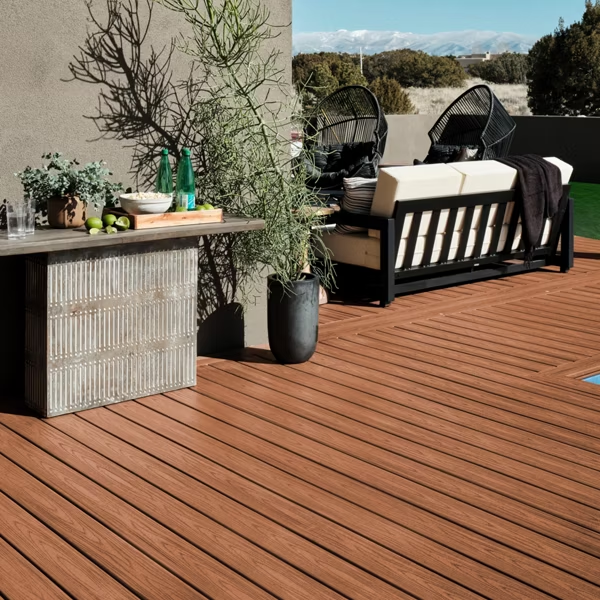
Lava Rock is a deep reddish-brown decking color designed to resemble richly stained tropical hardwood. The darker tone and pronounced grain pattern create a bold wood appearance that stands out more than lighter warm-brown decking colors.
This color pairs well with darker siding, stone patios, and outdoor living spaces designed around bold architectural features.
Lava Rock is also part of Trex’s Transcend collection, which offers deeper grain embossing and stronger color variation than entry-level composite decking products. Homeowners often choose this color when they want a dramatic hardwood-style deck color with strong visual contrast.
Antique Leather – TimberTech
Collection: Reserve Collection
Material: Capped Composite
Tier: Mid-Premium Composite
Typical Material Cost: $8–$11 per sq ft
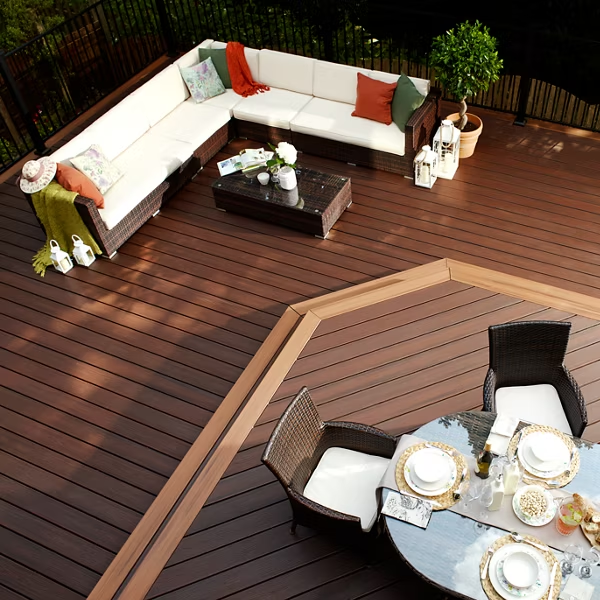
Antique Leather is a warm brown decking color designed to resemble aged hardwood boards with natural grain variation. The color blends subtle brown and amber tones that create a realistic wood appearance rather than a flat stained surface.
The warm tone works particularly well with traditional homes, wood siding, and outdoor spaces designed with natural materials such as stone or timber.
Part of TimberTech’s Reserve collection, Antique Leather is a mid-premium composite decking option that offers deeper grain embossing and improved durability compared with entry-level products. Homeowners often choose this color when they want a natural hardwood aesthetic with moderate color variation and mid-range pricing.

Dark and Espresso Decking Colors
Dark composite decking colors create bold contrast and dramatic outdoor spaces. These tones range from deep chocolate brown to nearly black espresso colors.
Dark boards are frequently used on modern homes, contemporary decks, and outdoor spaces that incorporate black railings, dark trim, or minimalist architectural styles.
Because darker colors absorb more sunlight, they can become warmer in direct sun than lighter boards. However, they often hide dirt, pollen, and debris better than lighter deck colors.
Homeowners often choose dark decking when they want a high-contrast deck design that highlights railing systems and architectural features.
Espresso – Fiberon
Collection: Paramount PVC
Material: Advanced PVC
Tier: Premium
Typical Material Cost: $10–$14 per sq ft
Espresso is a deep espresso-brown decking color designed to replicate dark stained hardwood. The rich tone creates strong visual contrast with lighter siding and railing systems, giving decks a bold, modern appearance.
This color works particularly well with contemporary homes, black railing systems, and outdoor spaces designed with clean architectural lines.
Espresso is part of Fiberon’s Paramount PVC collection, a premium decking line manufactured from advanced PVC for strong moisture resistance and durability. Homeowners often choose this color when they want a dark hardwood-style deck that creates dramatic contrast with the surrounding home exterior.

Ironwood – Deckorators
Collection: Vista Collection
Material: Capped Composite
Tier: Mid-Range Composite
Typical Material Cost: $7–$10 per sq ft
Ironwood is a deep charcoal-brown decking color designed to resemble dense tropical hardwood such as ipe. The darker tone and subtle grain variation create a bold wood appearance while maintaining a natural look.
This color works well with modern homes, darker siding, and outdoor living spaces that use black railings or contemporary architectural elements.
Ironwood is part of the Deckorators Vista collection, a mid-range capped composite decking line designed to provide realistic wood grain texture at a moderate price point. Homeowners often choose this color when they want a dark wood deck appearance without moving into premium decking materials.

Kona – TimberTech
Collection: AZEK Harvest
Material: Advanced PVC
Tier: Premium
Typical Material Cost: $10–$14 per sq ft
Kona is one of the darkest decking colors available in the TimberTech lineup. The espresso-colored boards are designed to mimic exotic hardwood decking and create a dramatic modern aesthetic.
The deep tone pairs particularly well with black aluminum railing systems, contemporary homes, and outdoor kitchens where darker materials create strong visual contrast.
Kona is part of TimberTech’s AZEK Harvest collection, a premium PVC decking line known for durability and moisture resistance. Homeowners often choose Kona when they want a bold espresso deck color that mimics exotic hardwood while maintaining the durability of PVC decking.

Mocha – TimberTech
Collection: Legacy Collection
Material: Capped Composite
Tier: Premium Composite
Typical Material Cost: $9–$12 per sq ft
Mocha is a deep chocolate-brown decking color designed to resemble dark hardwood decking. The multi-tonal grain pattern creates subtle variation that makes the boards look more like natural wood rather than a uniform stain color.
This color works particularly well with traditional homes, stone patios, and outdoor spaces designed around darker architectural materials.
Mocha is part of TimberTech’s Legacy collection, a premium composite decking line known for realistic wood textures and pronounced grain patterns. Homeowners often choose this color when they want a dark hardwood deck appearance with natural grain variation.
Khaya – Deckorators
Collection: Voyage
Material: Mineral-Based Composite
Tier: Premium
Typical Material Cost: $10–$14 per sq ft
Khaya is a deep reddish-brown decking color inspired by exotic hardwood species such as mahogany. The boards feature noticeable grain variation and rich color depth that create a premium hardwood appearance.
The darker tone works well with traditional homes, outdoor kitchens, and patios designed with natural stone or wood accents.
Khaya is part of Deckorators’ Voyage collection, a premium mineral-based composite decking line designed for strength and long-term durability. Homeowners often choose this color when they want a high-end hardwood appearance combined with advanced mineral-based composite technology.

How Deck Color Affects Heat
Deck color has a major effect on surface temperature. Dark boards absorb more solar energy, while lighter boards generally stay more comfortable in direct sun.
This matters most for pool decks, full-sun decks, homes in hot climates, and decks used barefoot by children or pets.
| Deck Color | Relative Heat | Best Use |
|---|---|---|
| Light gray | Coolest | Hot climates, pool decks, full sun |
| Weathered gray | Cool to moderate | Balanced heat performance and dirt hiding |
| Medium brown | Moderate | Traditional homes, mixed shade, wooded yards |
| Dark brown | Warm | Partial shade, contrast-focused designs |
| Espresso / charcoal | Warmest | Modern contrast where heat is less of a concern |
For a deeper temperature guide, see: How Hot Does Composite Decking Get?.
Best Composite Decking Colors for Full Sun
For full-sun decks, prioritize lighter colors and multi-tonal boards. Light gray, driftwood, weathered gray, and lighter tan-brown boards usually perform better for barefoot comfort than dark brown or espresso decking.
| Color Type | Performance in Direct Sun | Recommendation |
|---|---|---|
| Light gray | Best | Strong choice for hot climates |
| Weathered gray | Good | Best balance of heat, appearance, and dirt hiding |
| Medium brown | Moderate | Works well in mixed sun and shade |
| Dark brown | Warmer | Better in partial shade |
| Espresso / charcoal | Warmest | Use cautiously in full sun |
Which Composite Decking Colors Hide Dirt Best?
Decks near trees, lawns, gardens, or pollen-heavy areas need colors that hide everyday debris. Multi-tonal boards usually hide dirt better than flat solid colors.
Colors that hide dirt well:
- weathered wood tones
- gray-brown blends
- medium brown boards
- multi-tone gray decking
Colors that may show dirt more:
- very light gray boards
- very dark espresso boards
- flat solid-color boards
Very dark boards may hide mud but show pollen, dust, water spots, and light-colored debris. Very light boards may hide dust but show mud and leaf stains.
Which Composite Decking Colors Hide Scratches Best?
Scratches are usually less noticeable on boards with natural color variation, texture, and medium tones. Solid dark boards and very light boards can make certain marks more visible.
Best scratch-hiding color types:
- weathered wood
- gray-brown blends
- medium brown
- multi-tonal premium colors
Homeowners with dogs, children, patio furniture, or heavy deck traffic should strongly consider multi-tonal boards rather than flat solid colors.
Related: Composite Decking Problems.
Which Composite Decking Colors Fade the Least?
Modern capped composite boards are designed to resist fading better than older uncapped products, but no outdoor material remains visually unchanged forever.
Multi-tone boards often hide gradual color change better than flat solid colors because the board already has natural variation.
Best fade-hiding choices:
- weathered wood tones
- gray-brown boards
- medium brown multi-tonal boards
- premium capped composite or PVC boards
For board construction and durability, see: Capped vs Uncapped Composite Decking and Composite Decking Lifespan.
Most Popular Composite Decking Colors
Popular composite deck colors change by region and design trend, but several color families consistently appear across major manufacturers.
| Popular Color | Brand | Color Family | Why Homeowners Choose It |
|---|---|---|---|
| Foggy Wharf | Trex | Gray / driftwood | Accessible gray option with coastal character |
| Island Mist | Trex | Premium gray | Modern gray with premium wood-like variation |
| Weathered Teak | TimberTech | Weathered wood | Premium driftwood look with warm undertones |
| Pecan | TimberTech | Brown | Natural brown with premium wood character |
| Havana Gold | Trex | Warm hardwood | Tropical hardwood look without wood maintenance |
| Kona | TimberTech | Dark / espresso | Bold contrast for modern outdoor spaces |
Do Deck Colors Affect Home Resale Value?
Neutral deck colors usually have the broadest resale appeal. Gray, weathered wood, gray-brown, and medium brown boards tend to feel safer to future buyers than highly red, orange, or extremely dark deck colors.
A deck color that complements the home exterior can make the entire backyard feel more intentional. A color that clashes with siding, brick, roof color, or patio stone can make even an expensive deck feel disconnected from the house.
Most resale-friendly deck color families:
- weathered wood
- medium brown
- gray-brown
- soft gray
- warm walnut tones
How to Choose the Right Composite Decking Color
1. Start with your house exterior
Compare deck samples against siding, trim, brick, roof, patio stone, and nearby fencing. The deck should feel connected to the whole property.
2. Consider sun exposure
Use lighter colors for full-sun decks, pool decks, and hot climates. Dark boards can look beautiful, but they usually feel warmer.
3. Think about dirt, pollen, and pets
Multi-tonal weathered wood, medium brown, and gray-brown boards usually hide everyday wear better than very light or very dark boards.
4. Compare product tiers
The color you love may only be available in a premium collection. Always compare color, board construction, warranty, and price together.
5. Order real samples
Online photos and showroom lighting can be misleading. View physical samples outdoors in morning light, afternoon sun, shade, and next to your actual siding.
Never choose a composite decking color from a screen alone. The same board can look different in sun, shade, rain, and evening light.
Frequently Asked Questions
What is the most popular composite decking color?
Gray, weathered wood, and medium brown are among the most popular composite decking color families because they work with many home styles and hide everyday dirt better than extreme light or dark colors.
Do darker composite decks get hotter?
Yes. Dark brown, charcoal, and espresso boards generally absorb more sunlight and feel hotter than light gray, driftwood, or medium brown boards.
Which composite deck colors hide dirt best?
Weathered wood tones, gray-brown blends, medium brown boards, and multi-tonal colors usually hide dirt, pollen, and minor wear better than very light or very dark boards.
Do composite decking colors fade?
Modern capped composite boards are designed to resist fading, but some color change can still occur over time. Multi-tonal boards often hide gradual fading better than flat solid colors.
Should deck color match the house?
Usually, no. Deck color should complement the house rather than match it exactly. Slight contrast helps the deck feel intentional and visually distinct.
What deck color works best with a white house?
Gray, weathered wood, charcoal, and medium brown all work well with white siding. Gray creates a modern look, while medium brown creates a warmer traditional appearance.
What deck color works best with brick?
Medium brown, walnut, cedar, and warm hardwood tones usually pair well with brick because they complement the natural red, orange, brown, and tan variation in masonry.
Are composite decking colors limited?
No. Major manufacturers now offer many colors across gray, brown, weathered wood, cedar, hardwood, and espresso families. Color availability varies by brand, collection, and retailer.
Final Verdict
The best composite decking color depends on your home exterior, climate, maintenance expectations, and budget. For most homeowners, weathered wood, gray-brown, and medium brown tones are the safest choices because they coordinate with many homes, hide dirt well, and age visually better than extreme light or dark colors.
Gray decking is best for modern, coastal, and white-sided homes. Brown decking is best for traditional homes, brick exteriors, and wooded landscapes. Warm hardwood tones create a premium natural look, while dark espresso boards provide dramatic contrast but can get hotter in direct sun.
Choose your color only after seeing real samples outdoors next to your home. The best-looking board online may not be the best-looking board in your actual backyard.
Image Credits
Product color examples shown in this guide are sourced from official manufacturer materials for product comparison and educational analysis.
Images and product color representations are courtesy of the following manufacturers where applicable:
- Trex
- TimberTech by The AZEK Company
- Fiberon
- Deckorators by UFP Industries
All product names, color names, and associated trademarks remain the property of their respective owners. Product colors, collections, and availability can change, so homeowners should confirm current options directly with the manufacturer before purchasing.
Sources & Technical References
Last reviewed: May 2026
- Trex — Composite Decking Color Selector
- Trex — Transcend Decking Colors
- TimberTech — Decking Color Guide
- TimberTech — AZEK Vintage Collection
- Fiberon — Sanctuary Decking
- Fiberon — Good Life Decking
- Deckorators — Vista Decking
- Deckorators — Voyage Decking
- North American Deck and Railing Association — Deck Safety
Related Decking Guides
Composite Decking Guide
Learn how composite decking works, what it costs, how long it lasts, and how to choose the right board.
Best Composite Decking Brands
Compare Trex, TimberTech, Fiberon, Deckorators, MoistureShield, and other leading brands.
Best Composite Decking for the Money
Find the best balance of price, durability, appearance, warranty, and long-term value.
How Hot Does Composite Decking Get?
Learn how color, sun exposure, airflow, and material affect composite deck surface temperature.
Composite Decking Problems
Understand heat, scratches, fading, mold, expansion, slipperiness, and other common concerns.
Composite Decking Cost
Understand board pricing, labor, railings, stairs, framing repairs, and installed project cost.
Composite Deck Cost Per Square Foot
Translate board pricing and installed deck costs into realistic square-foot estimates.
Composite Decking Lifespan
Learn what determines how long composite decking lasts and how product tier affects aging.
Capped vs Uncapped Composite Decking
Understand how cap layers affect fading, staining, moisture resistance, and long-term appearance.
Trex vs TimberTech
Compare two major composite decking brands across cost, color, durability, and product tiers.
TimberTech vs Fiberon
Compare TimberTech and Fiberon decking by product line, color options, durability, and value.
Fiberon vs Trex
Compare Fiberon and Trex decking across price, product tiers, color options, and long-term performance.


